

- Reading before bed reduces stress by up to 68%, helping your body transition into sleep mode naturally.
- The best books to fall asleep to are slow-paced, emotionally warm, and free from suspense or high stakes.
- Sleep science books like Why We Sleep and The Circadian Code help you understand your body — and make the habit stick.
- Pairing bedtime reading with a consistent wind-down routine dramatically improves sleep quality over time.
- All 10 books on this list are available in hardcover — a better choice than screens for your pre-sleep wind-down.
A Quick Look at Our Picks
- Best sleep science read: Why We Sleep — Matthew Walker
- Best for a nightly ritual: Nothing Much Happens — Kathryn Nicolai
- Best circadian science book: The Circadian Code — Dr. Satchin Panda
- Best sleep nutrition book: Eat Better, Sleep Better — Dr. Marie-Pierre St-Onge
- Best nightly meditation: Moonlight Gratitude — Emily Silva
- Best pastoral fiction: The Bear — Andrew Krivak
- Best classic comfort read: The Secret Garden — Frances Hodgson Burnett
- Best for cozy nostalgia: Anne of Green Gables — L.M. Montgomery
- Best gentle mystery: The No. 1 Ladies’ Detective Agency — Alexander McCall Smith
- Best epistolary read: The Guernsey Literary and Potato Peel Pie Society

If you’re here, chances are you’re not just looking for any book. You’re looking for books to fall asleep to — gentle, absorbing reads that help you unplug, unwind, and actually get the rest your body is begging for.
You’re on exactly the right track. As we explored in our guide on reading before bed, reading a physical book before sleep can reduce stress levels by up to 68% in just six minutes. It calms the nervous system, eases the mental noise of the day, and signals to your brain: it’s time to rest.
But not every book works. A gripping thriller, a dense self-help manual, a page-turner with a cliffhanger every chapter — those keep your cortisol high and your brain buzzing. The books on this list do the opposite. They slow your breathing, soften your thoughts, and give your mind something peaceful to hold onto while your body drifts toward sleep.
We’ve split this list into two categories: books that are scientifically grounded in sleep (so you understand your body better), and books that are purely comforting reads (so you have something warm to look forward to every night). Both belong on your bedside table.
Why the Right Book Makes Such a Difference
Think about the last time you watched something gripping on your phone right before bed. Your heart rate was up. Your thoughts were racing. Getting to sleep felt like trying to stop a moving train.
A calming book works differently. The act of reading — especially from a physical page rather than a screen — suppresses blue light exposure, encourages slow eye movement, and gently lowers your heart rate. According to research from the University of Sussex, it takes as little as six minutes of reading to reduce muscle tension and slow the heart rate significantly.
The key is choosing the right kind of book. Slow prose. Gentle narratives. Stories where nothing terrible is about to happen. Worlds you can inhabit lightly, without needing to stay up to find out what comes next. That’s exactly what this list delivers.
If you haven’t already built a consistent bedtime routine around your reading, that’s the single best thing you can add to this habit. Twenty minutes of reading in a consistent environment, at a consistent time, becomes a powerful sleep trigger over time.
Understand Your Body, Sleep Better
These aren’t bedtime stories. They’re books that will fundamentally change how you think about sleep — and once you understand what’s happening in your body at night, everything from your bedtime to your morning alarm starts to make more sense.

1. Nothing Much Happens: Cozy and Calming Stories to Soothe Your Mind and Help You Sleep
You may already know Kathryn Nicolai’s podcast — with over 150 million downloads, Nothing Much Happens is one of the most listened-to sleep podcasts in the world. This hardcover brings 16 stories exclusive to print, along with whimsical illustrations, seasonal recipes, and gentle meditations.
Picture this: it’s late, the house is quiet, and you open to a story about a rainy afternoon in a small bookshop. Nothing dramatic happens. Nobody is in danger. The tea is warm and the shelves are dusty and the cat is asleep on the counter. Your breathing slows before you even notice.
Nicolai’s writing is intentionally slow and repetitive in the best possible way. The stories circle back on themselves, giving your mind the gentle reassurance it needs to let go. Each chapter is designed to be started and drifted away from.

2. Why We Sleep: Unlocking the Power of Sleep and Dreams
Dr. Matthew Walker is a professor of neuroscience and psychology at UC Berkeley, and a former professor of psychiatry at Harvard. This is the science of your own unconscious mind, written accessibly enough that you don’t need a medical degree to follow it.
Walker explains what happens in your brain during each stage of sleep, why deep sleep is so critical for memory and emotional regulation, and what you’re genuinely losing every time you cut a night short.
Understanding “why” is the most powerful motivator for behaviour change. Once you read this book, you’ll never casually sacrifice sleep again. Paradoxically, reading it before bed works because the subject matter settles you into taking sleep seriously.

3. The Circadian Code
Dr. Satchin Panda is a professor at the Salk Institute for Biological Studies and one of the world’s leading researchers on circadian biology — the science of how your body’s internal clock governs almost every aspect of your health.
Where Why We Sleep focuses on the night, The Circadian Code gives you the full 24-hour picture. Reading this alongside research on magnesium for sleep gives you a genuinely comprehensive picture of the biological levers available to you.
Dr. Panda writes in a way that makes complex biology feel completely manageable. Each chapter is short, digestible, and genuinely actionable — perfect for reading a section or two before lights out.

4. Eat Better, Sleep Better: 75 Recipes and a 28-Day Meal Plan
Dr. Marie-Pierre St-Onge is the founding director of the Center of Excellence for Sleep and Circadian Research at Columbia University. The book includes 75 recipes built around ingredients that work with your body’s melatonin and serotonin rhythms — think tart cherries, walnuts, kiwi, and fatty fish. There’s also a structured 28-day meal plan.
Browsing recipes before bed is an underrated wind-down activity — it engages just enough of your brain to pull you away from anxious thoughts, without stimulating you enough to keep you awake. The science sections are short, sharp, and grounding.
Stories That Slow Your Mind and Soften the Night
These are the books you’ll reach for when your brain needs a gentle off-ramp from the day. No cliffhangers, no high stakes, no keeping-you-up-late urgency. Just warmth, beauty, and the kind of slow narrative that your nervous system quietly loves.

5. Moonlight Gratitude: 365 Nighttime Meditations for Deep, Peaceful Sleep
Emily Silva is a life and spiritual coach, and this beautifully designed hardcover is built for exactly one purpose: to help you close the day with intention. Each of the 365 entries is a brief, soothing meditation paired with gentle imagery — perfect for the five minutes before you put the book down and close your eyes.
Pairing a nightly meditation with journaling before bed creates a powerful two-part wind-down that signals your brain, reliably and repeatedly, that sleep is coming.
The meditations are short enough to read in two or three minutes but meaningful enough to shift your mental state. The 365-day format means you’re never hunting for where to start — just open to today’s date and begin.

6. The Bear
This slim, luminous novel tells the story of Earth’s last two humans — a father and daughter — living close to the land in a world returned to wilderness. When the father dies, the daughter must find her way home alone, guided by a bear who speaks to her in the language of the forest.
For the nights when you need to feel held by something bigger than your to-do list, this is the book to reach for.
The prose reads like the natural world itself — unhurried, observant, and full of quiet wonder. You’ll find yourself slowing down to match its pace, which is exactly what your body needs before sleep.
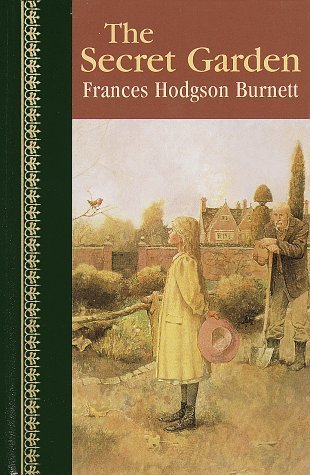
7. The Secret Garden
The story follows Mary Lennox, a difficult child who discovers a hidden, forgotten garden on her uncle’s estate, and slowly learns to nurture both the garden and herself. Burnett’s prose is gentle and unhurried, and the world she builds is one you can inhabit lightly and safely — somewhere between a memory and a dream.
The story is slow and pastoral. Burnett’s descriptions of spring returning to the garden are as soothing as a soft breeze through curtains. It doesn’t demand your attention — it welcomes it quietly.

8. Anne of Green Gables — 100th Anniversary Edition
Anne Shirley is one of literature’s great comforts. Spirited, imaginative, and endlessly enthusiastic about the world around her, she pulls you into a version of Prince Edward Island that feels like the warmest, safest place on earth. Nothing terrible happens. Everything resolves. The world is full of beauty if you know where to look.
It’s cozy, uplifting, and written in a rhythm that makes it easy to read a few pages without losing your place or your peace of mind. Anne’s optimism is genuinely contagious, and it’s impossible to feel anxious in her company.
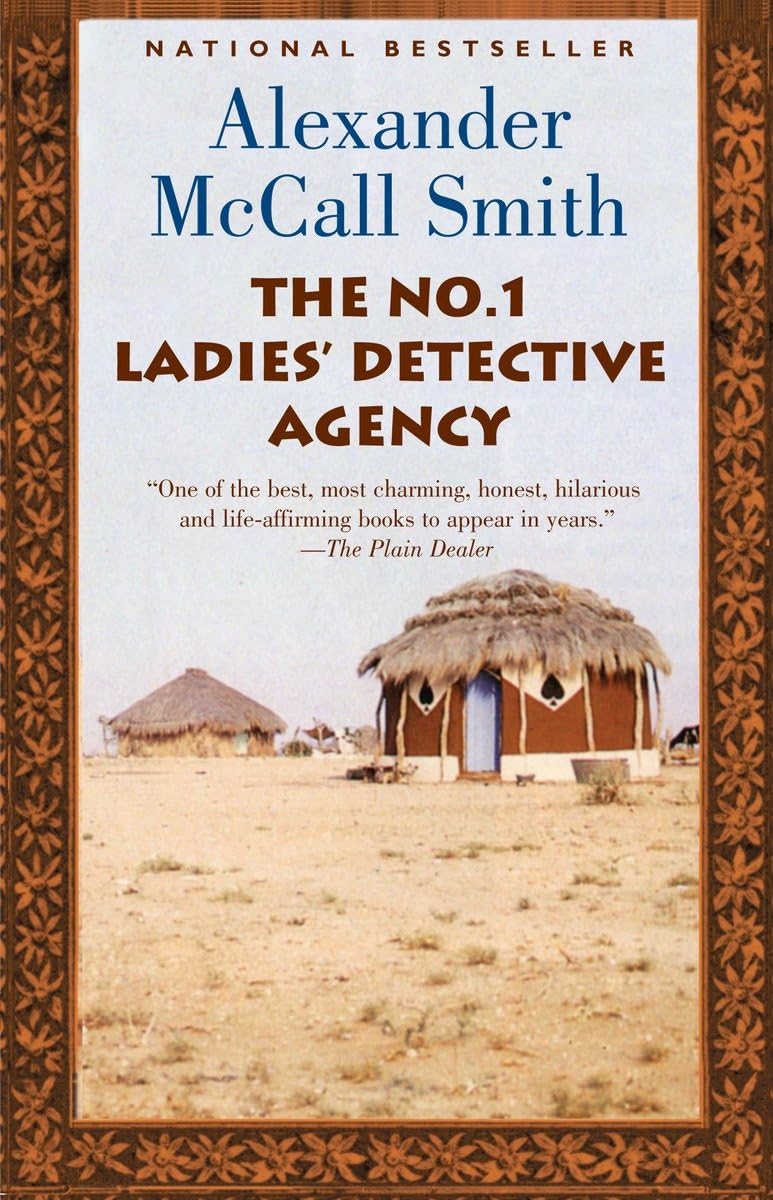
9. The No. 1 Ladies’ Detective Agency
Meet Precious Ramotswe — Botswana’s first and only female private detective, who solves local mysteries with wisdom, kindness, and a cup of bush tea in hand. These are not high-stakes thrillers. Nobody is being chased. The mysteries are small, human, and always resolved with warmth and common sense.
The stories move slowly, the dialogue is warm, and there’s a moral steadiness that leaves you feeling safe and grounded. Precious Ramotswe sees the good in people, and spending time in her company makes it easier to see the good in your own day.
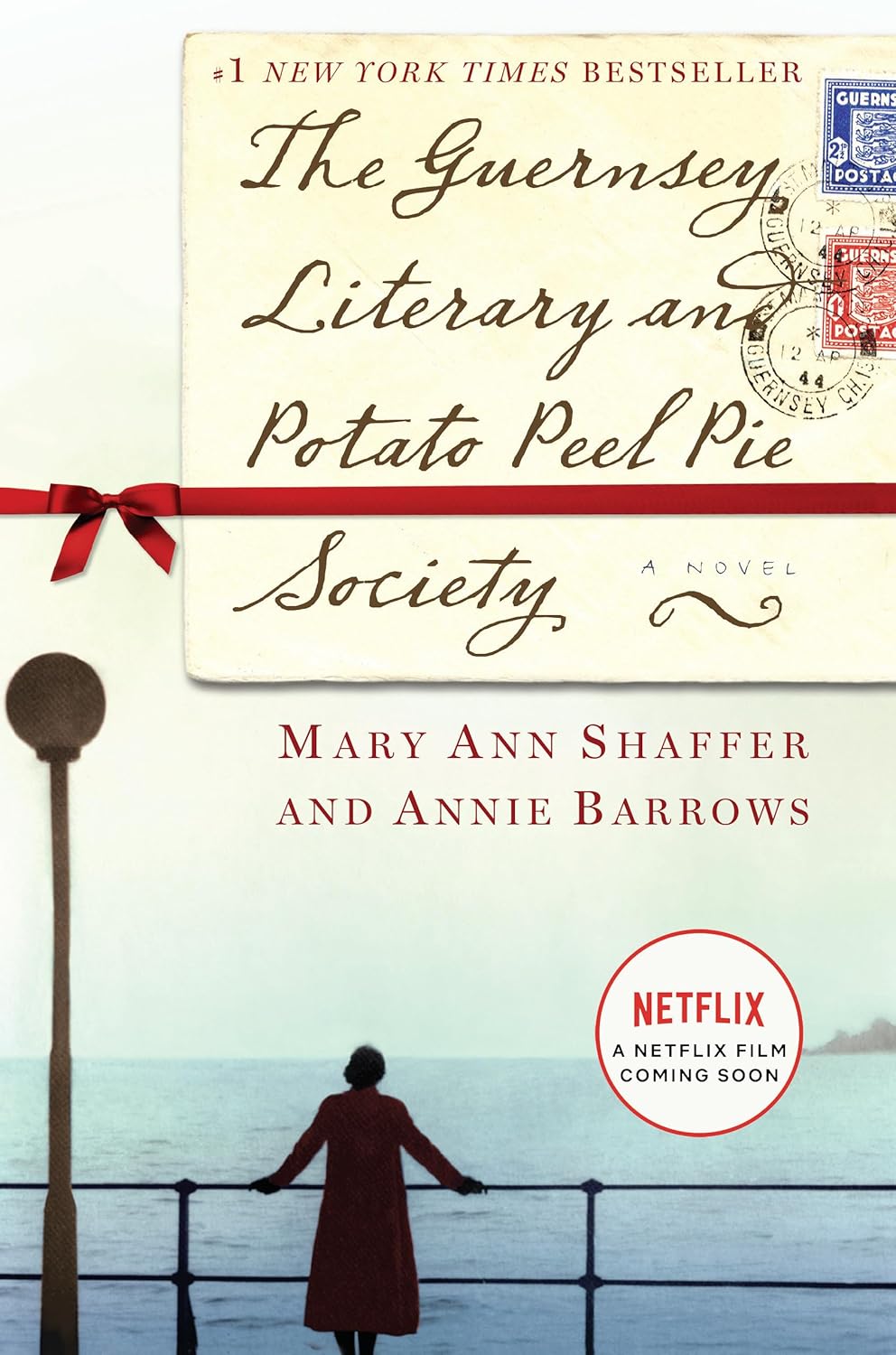
10. The Guernsey Literary and Potato Peel Pie Society
Told entirely through letters, this charming novel explores the post-WWII lives of people living on the island of Guernsey who formed a literary society to survive the German occupation. It’s thoughtful, funny, and full of quiet humanity.
Pair this one with a cup of chamomile tea and essential oils for sleep, and you have a near-perfect bedtime ritual.
The letter format makes it easy to read in small natural bites — each letter is self-contained, so you can put the book down without anxiety about losing the thread. The tone is warm throughout and the world it builds is one you’ll be glad to return to each evening.
How to Build a Reading Ritual That Actually Improves Your Sleep
Owning great books is one thing. Making them part of a consistent sleep ritual is what actually moves the needle on your rest.
Start simple: pick a consistent time — 30 minutes before you want to be asleep — and commit to reading only then, in bed or in a chair near your bed, with a warm lamp and no phone in reach. The consistency is what trains your brain. Within two weeks, reaching for your book will start to feel like pulling a sleep lever.
Pair your reading with your broader sleep-conducive environment — cool temperature, low light, minimal noise. The book is one piece of a larger picture. When all the pieces align, the results are genuinely noticeable.
And if you find yourself waking up at 3AM even after building a good reading habit, that’s a different issue worth understanding separately. A calming bedtime read helps you fall asleep — but what keeps you asleep involves your cortisol rhythm, your sleep cycles, and sometimes your environment.
Frequently Asked Questions
What makes a book good to fall asleep to?
The best books to fall asleep to share a few key qualities: slow, descriptive prose; low-stakes narratives where nothing alarming is about to happen; warm, familiar emotional tones; and a writing style that doesn’t demand intense focus. Avoid books with cliffhangers, fast-paced plots, or high emotional tension before bed.
Is it better to read fiction or non-fiction before bed?
Both can work, but for different purposes. Fiction — especially gentle, pastoral novels — is better if your goal is to quiet anxious thoughts and drift off. Non-fiction sleep science books like Why We Sleep or The Circadian Code are better read earlier in the evening, as understanding your sleep biology can sometimes prompt reflection rather than relaxation.
How long should I read before bed?
Research suggests that even six minutes of reading is enough to significantly reduce stress and muscle tension. Most sleep experts recommend 20–30 minutes as the sweet spot — long enough to genuinely wind down, short enough that you’re not delaying sleep. Build consistency first; duration matters less than making it a regular habit.
Should I read on a Kindle or a physical book?
A physical book is strongly preferable for bedtime reading. E-readers — even with warm light modes — still emit some blue light that can suppress melatonin production. A physical book with a warm, low lamp beside it is the ideal combination.
Can reading help with waking up in the middle of the night?
Reading is most effective as a sleep-onset tool — helping you fall asleep in the first place. If you’re regularly waking in the middle of the night, that’s usually a separate issue related to sleep cycles, cortisol patterns, or environmental factors. Read our guide on waking up in the middle of the night for a deeper look at what’s happening and what to do about it.
Sources
- University of Sussex (2009) — Reading reduces stress by 68%. View reference
- Walker, M. (2017). Why We Sleep. Scribner. ISBN: 978-1501144325
- Panda, S. (2019). The Circadian Code. Rodale Books.
- St-Onge, M-P. & Craddock, K. (2025). Eat Better, Sleep Better. Simon Element.
- Sleep Foundation — Bedtime Reading and Sleep: sleepfoundation.org
- Mayo Clinic — Sleep Tips: mayoclinic.org
- NIH — Circadian Rhythms: nigms.nih.gov
About The Author


