If you’ve heard the term “sleep maxxing” floating around TikTok or YouTube, you’re not alone. The sleepmaxxing trend—yes, with two x’s—is taking off among adults who want to optimize their rest instead of just getting more of it.
What is sleep maxxing exactly? In simple terms, it’s the idea of leveling up your sleep by combining old-school sleep hygiene tips with modern tools, supplements, and biohacking habits. It’s part science, part social media wellness culture—but when done right, it can help you feel more energized, sharper, and yes, even look better.
What Is Sleep Maxxing, Really?
Sleep maxxing is a made-up phrase—like “looksmaxxing” or “gymmaxxing”—born from internet wellness culture. But the goal is serious: to get the best possible quality of sleep using every tool and technique available.
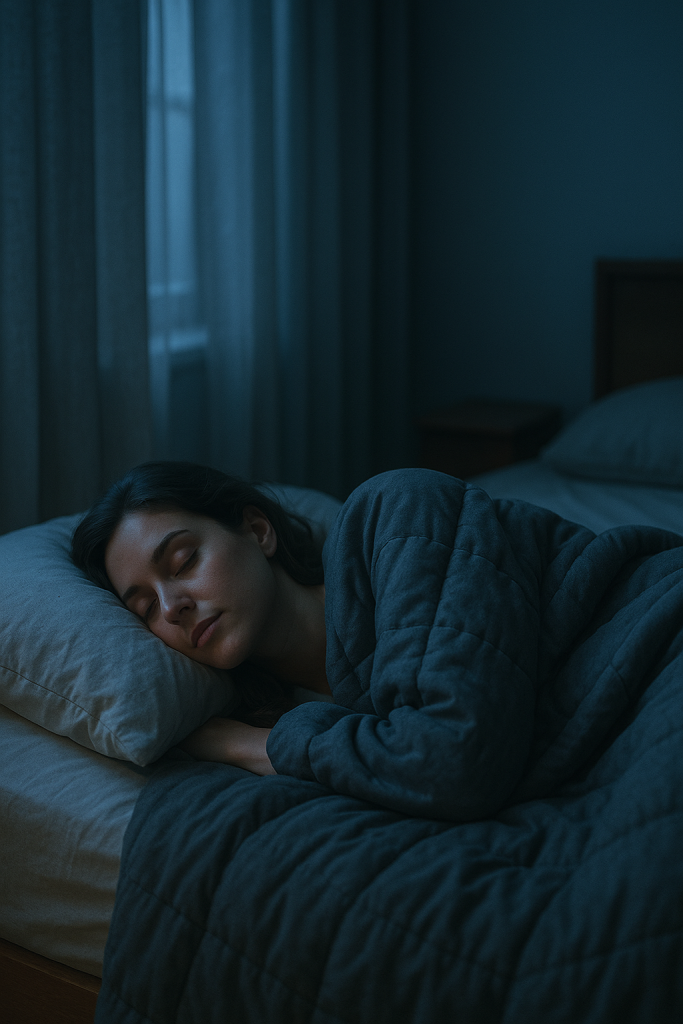
Rather than sleeping more, sleep maxxing focuses on sleeping better. Think fewer disruptions, more restorative deep and REM sleep, and waking up naturally refreshed. It’s popular among adults in their 20s and 30s, but people of all ages are tuning into this trend.
Many sleepmaxxers share bedtime routines online that include red lights, no screens, magnesium supplements, calming soundscapes, and smart mattresses. Some habits are backed by strong research; others fall into the “might help, probably harmless” category.
Why the Sleepmaxxing Trend Took Off
In recent years, burnout, poor mental health, and hustle culture have made sleep deprivation feel like a badge of honor. But today, more people are prioritizing sleep as the foundation of health.
The sleepmaxxing trend gained traction on TikTok in 2023 and 2024, with influencers showcasing nightly routines designed to boost sleep efficiency and appearance. Videos often focus on achieving a defined jawline, clear skin, or reduced stress through better rest.

But while some creators hype aesthetic benefits, many users simply want better focus, mood, and energy—backed by sleep science.
Common Sleep Maxxing Practices
While there’s no single sleep maxxing formula, most routines include a mix of the following.

1. Sleep Environment Upgrades
- Keeping rooms cool (60–67°F)
- Installing blackout curtains or using eye masks
- Using white noise machines or fans
- Switching to red or amber lights at night
- Sleeping with weighted blankets or cooling pillows
2. Supplements and Sleep Aids
- Magnesium glycinate to support muscle relaxation
- Melatonin in low doses (for shift work or jet lag)
- Herbal teas like chamomile or valerian root
- Kiwifruit (rich in serotonin precursors—early studies show potential)
3. Sleep Tech Tools
- Oura Rings, Fitbits, or Apple Watches to track sleep stages
- Sunrise alarm clocks that mimic dawn light
- Smart mattresses that adjust firmness or temperature
4. Behavioral Habits
- Keeping consistent bed/wake times—even on weekends
- Dimming lights and turning off screens 1–2 hours before bed
- Practicing meditation or deep breathing before sleep
- Taking a warm shower or bath ~1 hour before bed
- Avoiding caffeine after 2pm and heavy meals late at night
The Science Behind Sleep Maxxing
Top sleep specialists say the best approach is to follow core sleep hygiene with consistency and moderation:
- Stick to a regular sleep schedule. Go to bed and wake up at the same time daily.
- Limit alcohol and caffeine. Avoid both in the 4–6 hours before bedtime.
- Create a wind-down ritual. Keep it screen-free, calm, and relaxing.
- Reserve your bed for sleep (and sex). No scrolling or work in bed.
- Get sunlight early in the day. It helps anchor your circadian rhythm.
When to Skip the Hack and See a Doctor

If you’ve tried sleep maxxing for a few weeks with no improvement, you might have an underlying sleep disorder. Insomnia, sleep apnea, or restless legs syndrome can’t be fixed with magnesium or a new alarm clock.
Cognitive Behavioral Therapy for Insomnia (CBT-I) is the gold-standard treatment for chronic sleep issues and can be far more effective than any gadget or supplement.
Final Thoughts: Is Sleep Maxxing Worth It?
Absolutely—if you focus on what works.
Sleep maxxing can be a fun, engaging way to prioritize your health. It’s introduced thousands of people to good sleep hygiene practices they may never have considered before.
Just keep it balanced. You don’t need to try every TikTok trick or spend hundreds on gear. Start with the essentials, listen to your body, and focus on feeling rested—not chasing a perfect sleep score.
After all, better sleep isn’t just about the hours—it’s about the quality of your nights and the clarity of your days.
FAQs About Sleep Maxxing
Sleep maxxing is the trend of optimizing sleep using tools, routines, and supplements to get better rest and recovery.
Many parts of sleep maxxing are grounded in proven sleep hygiene, like limiting blue light, staying consistent, and creating a calm bedroom.
Good sleep improves skin, energy, and hormone balance—but claims about jawline sculpting or facial symmetry are more hype than science.
Experts recommend caution. Mouth taping may be risky, and red light is still under study. Stick with evidence-based habits first.
Start with a regular sleep schedule, screen-free wind-down, and a cool, dark bedroom. These basics make the biggest impact.
Sources:
- Cleveland Clinic – Sleep Hygiene Tips
- National Institutes of Health (NIH) – Healthy Sleep Guidelines
- Mayo Clinic – Melatonin Safety and Use
- Sleep Foundation – Tracking Sleep with Wearables
- TIME Magazine – Sleep Maxxing and Modern Sleep Culture
- Harvard Health – Sleep and Anxiety Trends

About The Author